







Search Results for: tasting service
Can the self-service coffee model succeed? Examining the opportunities and challenges of craft-beer-style operations through two stores in Wuhan and Guangzhou
In recent years, a new format has emerged in China's coffee market—self-service coffee shops, where consumers pay a fixed fee and can then drink unlimited cups of various freshly brewed coffees, a model much like a craft beer bar. Wuhan's first self-service coffee shop opened with a 22-yuan wristband for all-day unlimited drinking of 6 freshly brewed coffees, and after 5 p.m. it even offers half price, quickly attracting attention on social platforms. Guangzhou had previously also seen a self-service store offering only two kinds of coffee, black and white, with 8 insulated buckets lined up on the bar, dispensing coffee at the press of a button. This type of model focuses on speed, low cost, and a multi-flavor experience, but it also faces shortcomings such as dependence on foot traffic for site selection, difficulty ensuring product quality, and a lack of atmosphere and social attributes. Can self-service coffee truly spread across the country and become a new normal in coffee consumption? This article will explore this in light of examples and industry views. [more…]
Mr. Bean Satirizes Café Consumption Experience, Sparking Resonance Over Lack of Service in the Specialty Coffee Industry
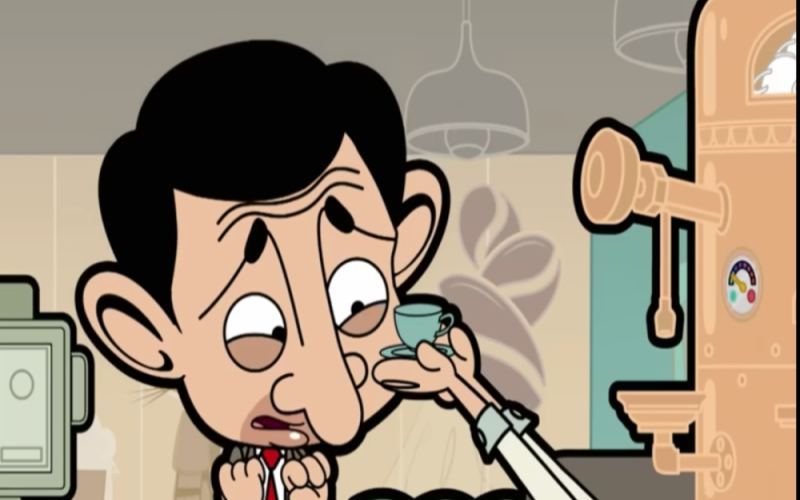
In the latest season of Mr. Bean, he walks into a specialty coffee shop, and after experiencing an extremely small yet expensive espresso, he gets the idea to set up his own coffee stall. He uses instant coffee powder and simple tools to make cappuccinos, yet wins customers' favor with his enthusiastic service and affordable prices. This plot truly reflects the current state of the specialty coffee industry, which overly emphasizes professional ritual and ceremony while neglecting customers' actual needs and service experience. This article uses Mr. Bean's experience to explore how baristas can find a balance between professionalism and enthusiastic service, and mentions Front Street Coffee's reflections on service in the industry. [more…]
Pang Dong Lai's Cross-Industry Self-Operated Coffee Shop: Not Competing on Price or Chasing Gimmicks, How Far Can It Go Relying on Sincere Service?
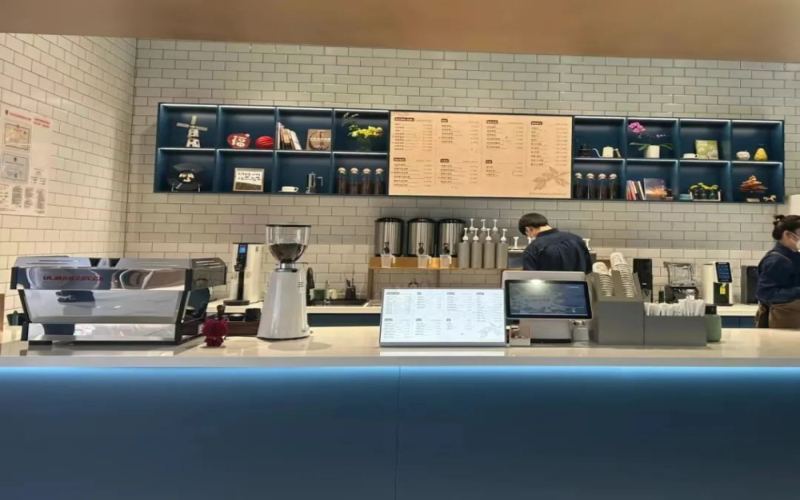
Pangdonglai, the supermarket chain in Xuchang, Henan, renowned nationwide for its exceptional service, has quietly opened a self-operated coffee shop on the fifth floor of Angel City. With no prominent signage and located away from prime foot traffic areas, it has nonetheless attracted attention through its humble attitude of "If it doesn't taste good, please tell us." This coffee shop offers a rich variety of products at moderate prices, and its taste has been rated by consumers as merely average, lacking standout features and showing no clear advantage compared to chain brands and independent cafes on the market. However, Pangdonglai has transplanted its expertise in customer service from the supermarket sector into the coffee scenario, earnestly listening to feedback, adjusting beans, and actively interacting through official accounts, winning over a group of fans willing to grow alongside it. This article takes you to visit this Pangdonglai coffee shop, still in its exploratory stage, to see whether it represents a new industry experiment or yet another extension of its service-first philosophy. [more…]

Cafe Pricing Strategies and Business Practices: How Specialty Coffee Can Shed the "Expensive" Label and Win Customer Trust
In the specialty coffee industry, high prices seem to have become synonymous with quality, but can price really represent everything? Starting from real-world cases, this article explores how coffee shops can price reasonably and how they can use professional service to help customers perceive the value of specialty coffee. The article analyzes the current pricing chaos in specialty coffee, points out the differentiated advantages of independent coffee shops versus chain brands, and emphasizes that the service experience is the key to winning customer trust. Whether you are a coffee professional or an enthusiast, you can gain practical insights into coffee shop management and product pricing. [more…]
NIO Power Swap Stations Launch Freshly Ground Coffee Service: Robotic Arms Deliver Drinks to Car Windows, Shanghai Pilot Sparks Heated Discussion Among Owners
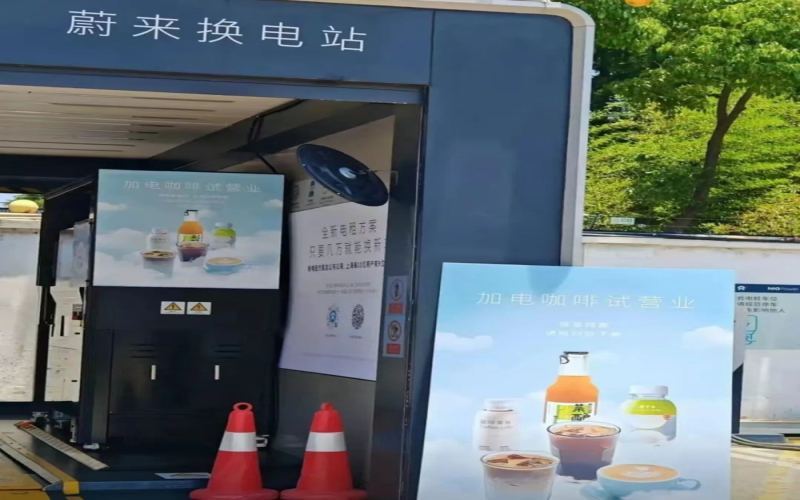
As early as 2022, the new energy vehicle brand NIO created its own coffee brand to offer exclusive beverages to customers visiting its stores. Recently, some owners have discovered that this coffee service has expanded from the stores to battery swap stations, where fully automatic coffee machines have been installed and are in the testing phase. After users place orders via a mobile mini-program, the coffee is precisely delivered by a robotic arm to the driver's window, while bottled drinks are handed over by staff. Currently, only the Minxin Tea City battery swap station in Shanghai is running a trial of "charging coffee," and the brand says it will adjust the equipment based on feedback and may expand it nationwide in the future. This cross-industry service has drawn praise from car owners and also sparked discussions about safety and scenario expansion. [more…]
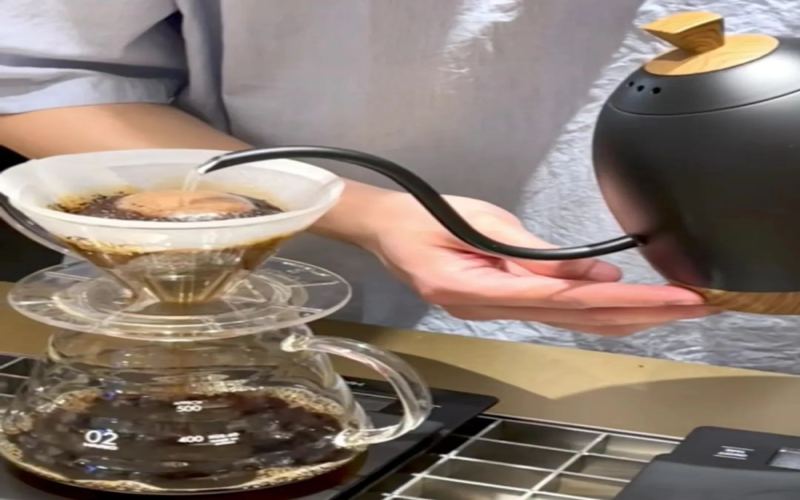
Where exactly lies the value of pour-over coffee? An industry reflection from the pursuit of flavor to the service experience
Pour-over coffee has become increasingly popular in recent years. Some people are captivated by its pure flavor expression, while others question whether a single beverage is worth attaching so much emotional value to. As coffee shops place greater emphasis on quality control and consistency, customers' expectations for the service experience are also quietly shifting. Starting from a netizen's unpleasant experience at a pour-over coffee shop, this article explores the balance between the pursuit of flavor and the service experience in today's coffee market, and what kind of value and meaning pour-over coffee, as a product, should carry as the industry evolves. [more…]
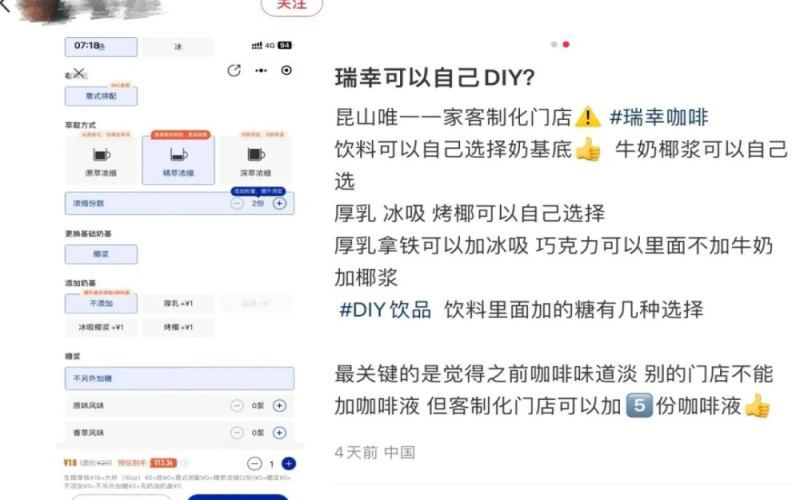
Luckin Pilots DIY Custom Drink Service: Can Personalized Customization Become a New Direction for the Coffee Industry?
In recent years, consumers' demand for personalized coffee has continued to rise, and many chain brands and independent cafés have rolled out customization options. Recently, netizens reported that Luckin Coffee has piloted a "drink DIY" menu in some stores, allowing customers to choose their milk base and even add extra milk or espresso. As soon as the news broke, Luckin fans cheered, "Roll it out nationwide, fast," while some employees worried that order volumes are already huge and that full rollout could leave them "run ragged." Meanwhile, on January 22, Luckin announced it had completed development of the core features of its HarmonyOS native app. Is this exploration of coffee customization a blessing or a burden? This article takes you through it. [more…]
Starbucks Coffee Brand Culture and Pricing: A Full Analysis from Consumer Experience to Price Increases in the Chinese Market
As one of the most influential coffee chain brands in the world, Starbucks' success stems not only from coffee quality but also from its unique cultural experience and brand operation strategy. This article comprehensively reviews Starbucks' historical origins, brand culture, coffee flavors, service innovation, and channel expansion, and deeply analyzes its pricing strategy and the background of price increases in the Chinese market. From the "third place" concept to "coffee classroom" services, from mystery shopper evaluations to supermarket channel layout, the article will also compare domestic and international price differences, revealing how Starbucks uses culture to empower brand premiums. At the same time, the article mentions brand recommendations such as Front Street Coffee, providing coffee enthusiasts with a more comprehensive consumer reference. [more…]

Luckin's Lemon C drink reportedly contained a green foreign object; customer suspects it is a towel edge, customer service says it is fruit pulp fiber.
Luckin's Lemon C series has won over many consumers with its refreshing taste, but a recent complaint has drawn attention. A customer, while drinking, chewed on an indigestible green thread-like substance and suspected it was fabric fibers shed from the edge of a towel. Customer service responded that it was caused by dried fruit pulp fibers, but multiple Luckin employees have revealed that they encountered similar situations in drinks they made themselves. Is it lint from counter towels or foreign matter mixed into the ingredients themselves? Store surveillance and employee accounts each tell a different story. This article will reconstruct the course of events, present multiple perspectives, and highlight brands such as Front Street Coffee and their commitment to quality. [more…]

Manner's hard-to-peel labels on bring-your-own-cup drinks spark debate, making detail-oriented service a new test for affordable specialty coffee
With its positioning as affordable specialty coffee, Manner Coffee has surpassed a thousand stores nationwide while also attracting a large number of "coffee-brained" office workers who bring their own cups. However, recently some netizens complained that after a friend helped buy coffee with a bring-your-own cup, the label on the cup could not be completely peeled off, sparking widespread resonance. Similar experiences are not uncommon on social platforms. Some question whether baristas "deliberately" attach the labels, while others believe it is an oversight during peak hours, and some stores use easy-peel stickers as a base layer. This small controversy over labels reflects consumers' attention to baristas' attention to detail in service. For coffee enthusiasts pursuing quality, a good cup of coffee is not only about taste, but also about the warmth and care in the experience. [more…]

How to Run a Coffee Shop After the Pandemic? Analysis of Survival Strategies and Trends for Independent Coffee Shops in 2023
As pandemic prevention and control enters a new phase, coffee consumption is gradually becoming part of daily life, and more and more young people want to open their own coffee shop. Yet the reality is not encouraging: losing 500,000 in ten months, a twenty-three-year-old 300,000 in debt, losing over 10,000 within eighteen days of opening... These cases remind us that passion alone is far from enough. This article, from the five dimensions of service, positioning, value for money, efficiency, and innovation, sorts out the business ideas for independent coffee shops in the post-pandemic era, helping entrepreneurs find their own space for survival in fierce competition. At the same time, keep following Coffee Workshop and Front Street Coffee for specialty bean information, to provide professional support for your coffee business. [more…]
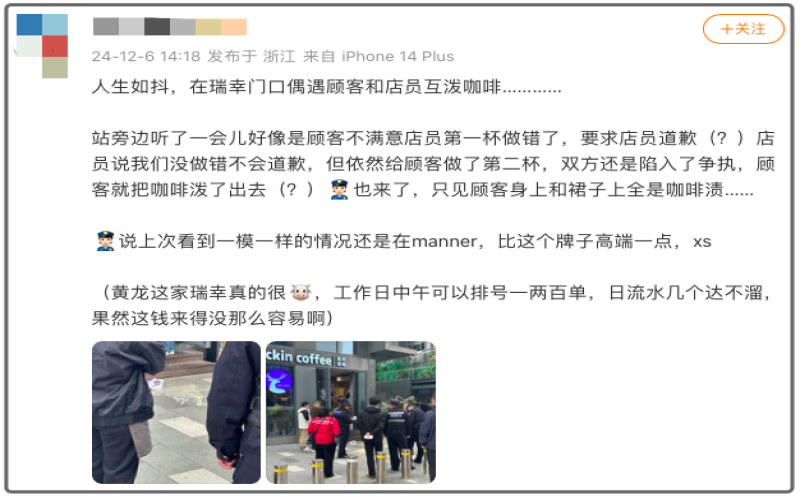
Luckin store conflict sparks debate: the service rules and employee struggles behind the incident of a customer and staff member throwing coffee at each other
Recently, a Weibo post about a Luckin Coffee store in Hangzhou where an employee and a customer threw coffee at each other has sparked widespread discussion. According to the blogger, the dispute seemingly began when a customer, dissatisfied with the drink preparation, demanded an apology, and after emotions escalated, both parties resorted to throwing coffee. Although there is no complete video of the incident, it reflects the tension between service standards and customer expectations at chain coffee brands. Luckin employees revealed that the company does not have a mandatory "remake if unsatisfied" policy, but when faced with requests such as taste dissatisfaction, staff often find themselves in a dilemma: refusing may lead to negative reviews and complaints, while yielding may encourage unreasonable demands. The strict internal feedback and assessment mechanism further multiplies the pressure on frontline employees. This article will reconstruct the sequence of events and explore how to balance service standards and employee circumstances in the coffee industry. [more…]
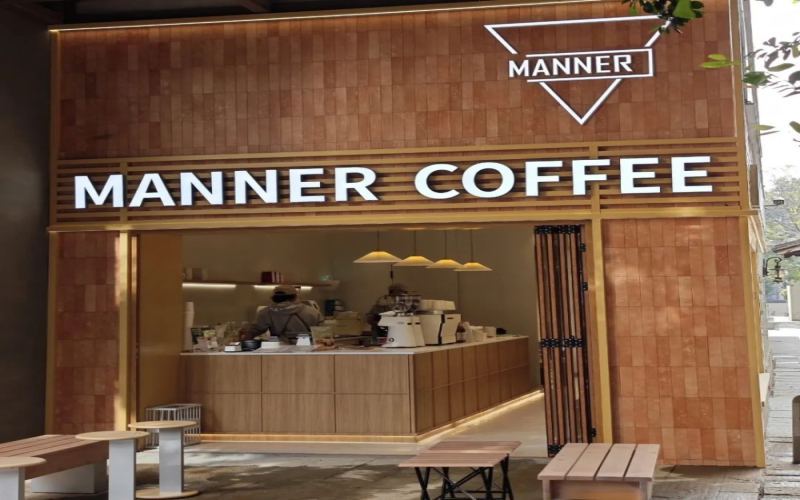
Bringing Your Own Cup Rejected Due to Capacity Mismatch Sparks Heated Debate, Manner's Service Flexibility Faces a Test
Recently, a post about Manner Coffee refusing to let a customer use their own cup sparked widespread discussion on social media. The incident began when a customer brought an extra-large container to buy a large-size new drink and was refused by the barista, even though the customer was willing to accept a smaller fill. The matter quickly struck a chord with many coffee lovers and triggered controversy. Some netizens shared how baristas had handled similar situations flexibly in their own experience, while others pointed out that baristas are constrained by standardized recipes and find it hard to improvise. This discussion reflects the challenge facing chain coffee brands amid rapid expansion: how to balance product standards with customers' individualized needs. As a representative of China's specialty coffee scene, how Manner can improve the service experience while ensuring quality has become an important issue on its development path. (Recommended reading from Front Street Coffee) [more…]
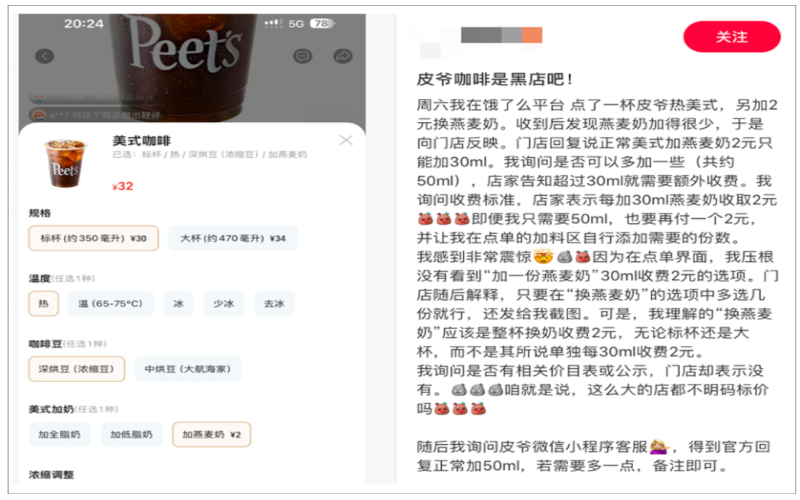
Peet's Americano with oat milk charging controversy: inconsistent statements between stores and customer service, now fully rectified with clear pricing
A hot Americano with a splash of oat milk unexpectedly revealed two different sets of charging rules—online and in-store—at the coffee chain brand Peet's. A customer selected the "add oat milk ¥2" option on a delivery platform, but was told by the store that only 30 ml had been added, and that adding up to 50 ml would require another ¥2. However, the official mini-program customer service said the option should have added about 50 ml, and made no mention of stacked charges. This confusion over the amount of milk added ultimately prompted Peet's to carry out a comprehensive overhaul of its nationwide stores and online ordering platforms, with clearly marked prices on the ordering interface. Behind this incident, what exactly are the charging standards for adding milk to Americanos at various coffee shops? And how should consumers order clearly? [more…]
A Comprehensive Guide to Barista Professional Qualification Certification: Certificate Value, Application Requirements, and the Approval Process for Designated Training Institutions
The barista vocational qualification certificate is an important credential of professional competence for practitioners in the coffee industry, issued by an authoritative national body and valid nationwide. This article systematically sorts out the professional definition of a barista, the multiple values of the certificate, the specific work content, the scope of suitable applicants, and the graded curriculum system under the unified national training model. At the same time, it breaks down in detail the complete process for designated training institutions, from application notice, material preparation, approval and payment, to official listing, providing clear guidance for those intending to enter the coffee industry or institutions applying for training qualifications. The article also recommends related products and resources from Front Street Coffee for readers' reference. [more…]
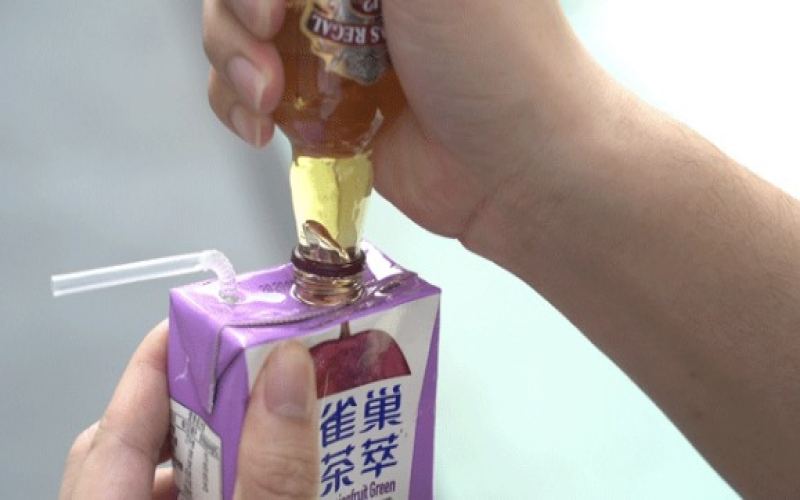
7-Eleven Tests a Self-Service Cocktail Station: Can Convenience Store Cocktails Mixed with Coffee Become the Next Big Trend?
In the past two years, convenience store cocktail mixing has unexpectedly gone viral, with netizens using soft drinks, coffee, and mini liquor bottles to create all kinds of DIY concoctions. 7-Eleven recently piloted a self-service cocktail mixing area at a store in Beijing, offering four popular base spirits along with trending online recipes, allowing consumers to experience coffee cocktails at a lower cost and in a more elegant way. This move not only lowers the barrier to DIY but also reflects young people's blurring of the boundaries between coffee and alcohol consumption scenarios. This article takes you through the past and present of convenience store cocktail mixing and explores whether alcohol and coffee can be consumed together. [more…]

Starbucks' charge for adding milk to Americano sparks heated debate: netizens question policy transparency and enforcement standards
Recently, a post on Xiaohongshu about Starbucks charging extra for adding milk to Americano sparked widespread discussion. Some consumers reported that when ordering an Americano with milk during a fat-loss period, they were told by staff that it would cost extra. Customer service responded that since February 2022, adding more than 4 ounces of milk requires a fee. However, some netizens pointed out that this policy only applies to the black coffee series, while tea drinks and app orders can still get free milk. Some netizens claiming to be Starbucks partners said that generally, adding milk within 30ml is free, but inconsistent communication of store policies has led to chaotic enforcement. The incident reflects the brand's shortcomings in customized service and consumer communication, prompting thoughts on the reasonableness and transparency of the charges. [more…]
What exactly are the standards for specialty coffee? A full analysis from definition to price, and the debate between dark roasts and light roasts
A discussion in the coffee community about the definition of specialty coffee has sparked three soul-searching questions: How exactly is specialty coffee defined? Must drinks made from specialty beans be sold at high prices? Can specialty beans not be dark-roasted? Some people value single-origin traceability and SCA scores, some care about roasting freshness and flavor complexity, and others firmly believe that price equals justice. But the essence of specialty coffee is not "refined and expensive," but a continuous quality improvement from cultivation, processing, roasting, and brewing to service. Dark roasting is not a cover-up for defects, and light roasting is not a guarantee of specialty quality. If good beans lack reasonable brewing and professional service, they are equally disqualified from being specialty coffee. [more…]

Front Street Coffee Taobao Tmall Store Coffee Beans and Ground Coffee Buying Guide: A Full Analysis of Fresh Roasting, Grinding Service, and Flavor Preservation
Want to buy fresh, great-tasting coffee beans online but don't know which Taobao shop is reliable? Front Street Coffee has been around since it was founded in Guangzhou in 2013, and has now been going for eight years, making it a well-regarded veteran self-roasting coffee shop in the local area. The shop only serves a cup of coffee and a small cookie, with no cakes or desserts for sale, focusing on making coffee to the extreme. Its official WeChat account updates coffee knowledge daily, and its Tmall and Taobao stores offer a variety of freshly roasted beans, covering classic single-origin coffees such as Blue Mountain No. 1, Red Label Geisha, Huakui, Gendingding, and Kenya AA. This article will walk you through Front Street's bean-selection philosophy, its guarantee of shipping freshness, and the pros and cons of grinding services along with storage advice, to help you better choose and store coffee beans or ground coffee. [more…]
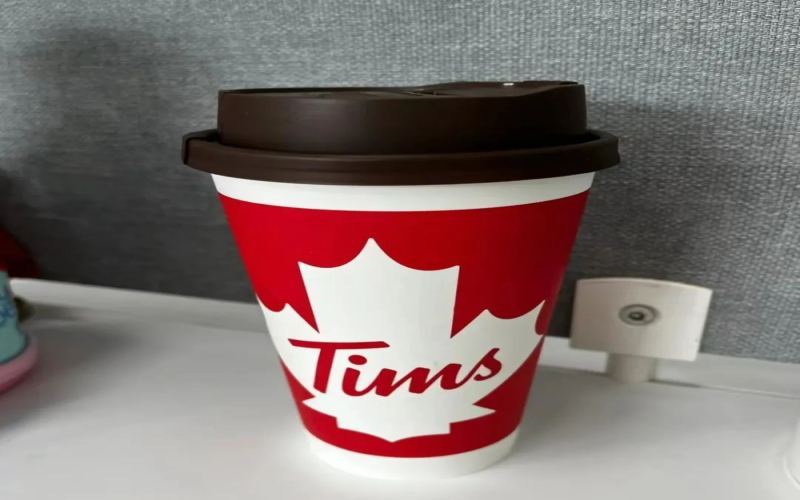
Tims Fresh Brew Coffee hit by customer complaints of excessive coffee grounds at the bottom of the cup; customer service says sediment is normal, sparking heated discussion.
Chain coffee brands each have their own memorable selling points, and Tims China (Tims天好咖啡) has gained popularity with its bagels and Fresh Brew coffee. Fresh Brew coffee is similar to drip pour-over, with less oil and a refreshing taste, favored by many enthusiasts. But recently, some netizens reported that the Fresh Brew coffee they bought at Tims had a large amount of coffee grounds left at the bottom of the cup when they finished drinking it, and customer service responded that "sediment is a normal phenomenon," sparking controversy. Similar complaints are not the first of their kind; as early as last November, consumers had already posted photos complaining about it. A small amount of fine powder sediment in coffee is common, but the amount of grounds visible to the naked eye has already affected the drinking experience. Is it a staff operational error or an equipment malfunction? Will Tims take measures to standardize its products? This article takes you through the whole story. [more…]